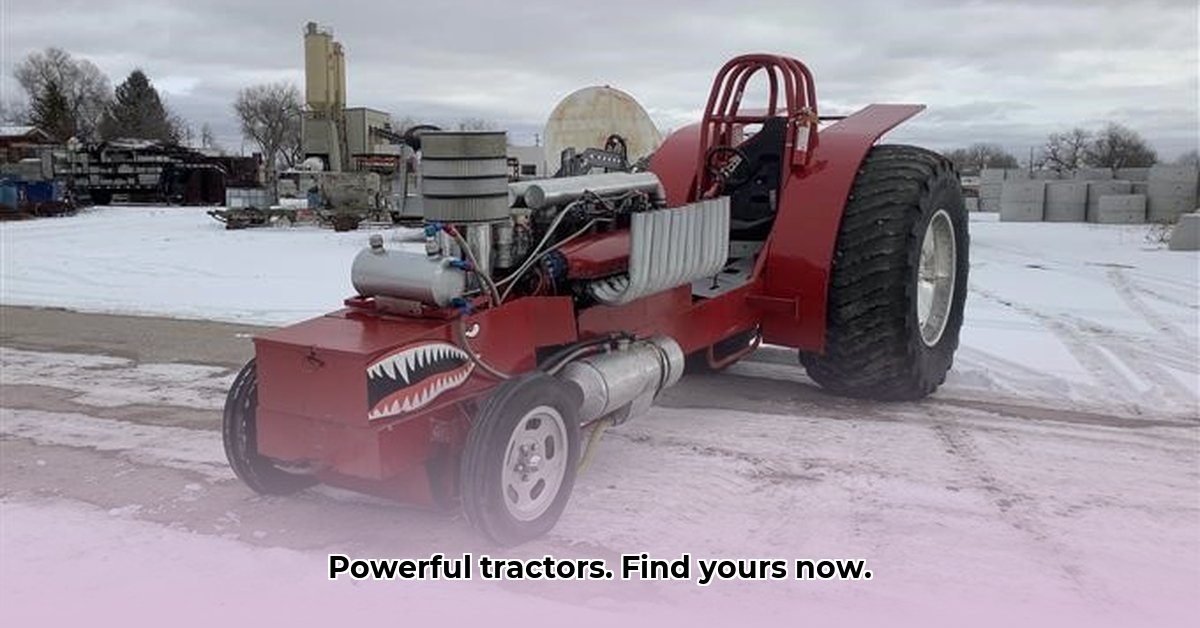
The roar of the crowd, the smell of burning rubber, the sheer power of a modified tractor straining against the weight – tractor pulling is a spectacle of engineering and competitive spirit. But finding the right pulling tractor for sale can be a daunting task. This comprehensive guide navigates the complexities of the market, providing expert advice and a step-by-step buying guide to help you find the perfect machine to unleash your inner champion. For a specific example, check out this [John Deere 6030](https://john-deere-6030-pulling-tractor-for-sale.pages.dev).
Pulling Tractor Market Overview: A Specialized Niche
The market for pulling tractors is unique. It's a niche world, far removed from the typical farm equipment marketplace. Think of it as the high-performance automotive world, but with tractors! Precise sales figures are elusive, making market research challenging. Online marketplaces and auctions offer glimpses into activity, but thorough due diligence is crucial. Buyers range from individual enthusiasts to competitive teams. The price spectrum is broad, reflecting the variation in tractor types, condition, and modifications. Expect a substantial financial commitment; these aren't your average garden tractors. A recent online search revealed prices ranging from $10,000 for a well-maintained stock-class tractor to over $150,000 for highly customized, purpose-built machines. This variance highlights the importance of careful research and a structured buying process.
Types of Pulling Tractors: A Diverse Landscape
Pulling tractors aren't a homogenous group. They fall into several categories influenced by size, engine type, and the extent of modifications:
Stock-Based Tractors: These begin as standard agricultural tractors, significantly modified for increased power and durability. Engine upgrades, enhanced drivetrains, and chassis reinforcement are common. Imagine them as the "restomod" of the tractor world – retaining some originality while pushing boundaries.
Custom-Built Tractors: These machines are purpose-built from the ground up for pulling competitions. They represent cutting-edge engineering, incorporating specialized components designed for maximum power output and controlled stress management. They are the Formula 1 cars of the pulling world, prioritizing performance above all else.
Buying Guide: Key Considerations for Pulling Tractor Buyers
Purchasing a used pulling tractor requires a methodical approach. This checklist can steer you towards a safe and rewarding purchase:
Engine Specifications: Horsepower and torque are crucial, but equally important is the engine's reliability and maintenance history. Seek detailed service records and consider a compression test to assess the engine's health. A low compression reading may indicate internal damage.
Chassis & Drivetrain: The chassis must withstand immense forces. Inspect the frame for cracks, welds, and signs of stress. Evaluate the drivetrain (transmission, axles, differentials) for wear, damage, or evidence of previous repairs. Modifications can boost performance, but poor workmanship can compromise safety and reliability.
Safety Features: Safety is paramount. Verify the structural integrity of the roll cage and functionality of the fire suppression system. These are vital for the protection of both the driver and the valuable machinery. A properly functioning fire suppression system significantly reduces the risk of catastrophic damage.
Documentation: Demand thorough maintenance records, detailing repairs, and preventative maintenance. Competitive history, if available, shows the tractor's performance track record and may reveal any inherent strengths or weaknesses. Complete documentation instills confidence and provides valuable insight into the machine’s past.
Inspection: A pre-purchase inspection by a qualified mechanic is highly recommended. This professional assessment helps to identify hidden mechanical issues or signs of wear and tear that a casual buyer may miss. A professional inspection can save you from costly repairs down the line.
Negotiating Price: Price depends on condition, modifications, rarity, and competitive history. Thorough research of comparable tractors for sale establishes a fair market value. Remember, a well-maintained tractor, especially one with a proven competitive record, commands a higher price.
Sourcing Your Pulling Tractor: Where to Buy
Several avenues exist for buying pulling tractors:
Online Marketplaces: Websites specializing in agricultural equipment or racing vehicles are good starting points. Online forums dedicated to tractor pulling can offer valuable insights from enthusiasts and experts.
Auctions: Auctions can offer attractive deals, but they also carry higher risk. Thorough inspection before bidding is crucial. Auctions are particularly risky for inexperienced buyers.
Private Sellers: Private sellers sometimes offer unique tractors, but thorough due diligence and in-person inspection are essential. Always verify ownership and thoroughly check the tractor's documentation. Private sales may offer greater negotiation flexibility.
Maintenance and Upkeep: A Long-Term Commitment
Regular maintenance is essential. This extends beyond basic servicing. Regular oil changes, filter replacements, lubrication, and careful inspection of key components (belts, hydraulics, etc.) are necessary to prevent major issues and extend the operational lifespan of the tractor. Consider the costs of maintenance as a significant factor in the overall ownership cost. A well-maintained tractor will perform better and command higher resale value.
Conclusion: Your Pulling Journey Begins Now
Finding the right pulling tractor is a journey, but armed with this knowledge, you are equipped to make a confident buying decision. Take your time, perform thorough due diligence, and let your passion for the sport guide you towards your next champion!